Rigs vs platforms. What’s the bloody difference?
A polite 101 on the offshore rig market.
Rigs, rigs, rigs.. to most people (and BBC News) they are those rusty, brutalist monstrosities, littering the horizon of the North Sea. Stationary cities home to the men and women bravely slurping oil and gas out of the ground.

Those are actually platforms. I could dedicate a whole post on these (and I probably will) but for now, I will leave you with a wikipedia link to do your own homework. Lets get stuck into the fun part, rigs.
Rigs, rigs, rigs
To most in the oil industry, rigs are the mobile platforms of this world. Mobile offshore drilling units, or MODU’s for short. Assets used to explore for and develop offshore oil and gas fields.
And as you can probably guess from the triple repetition, they come in five flavours (but barges and semi-tenders are a bit boring.)
Jack ups
Widely regarded as the original rig. The proto-hipster of the offshore drilling scene. In one form or another the jack up design has been around since the 1950’s.
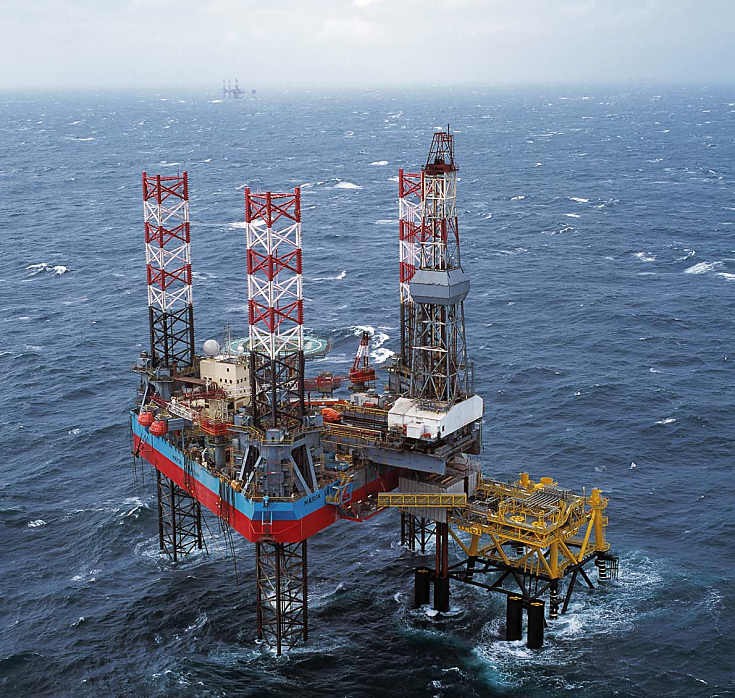
A very simple but effective concept, these assets are self elevating barges. Vessels without propulsion, towed to location and jacked-up above sea level.
These stable drilling platforms can be found boring away in shallow water settings and are very popular in mature oil producing regions such as the North Sea, the Middle East and Asia.
They come in a wide variety of sizes and shapes, but on the whole operate in water depths of 100 metres or less (150 at most.)
Semi-submersibles
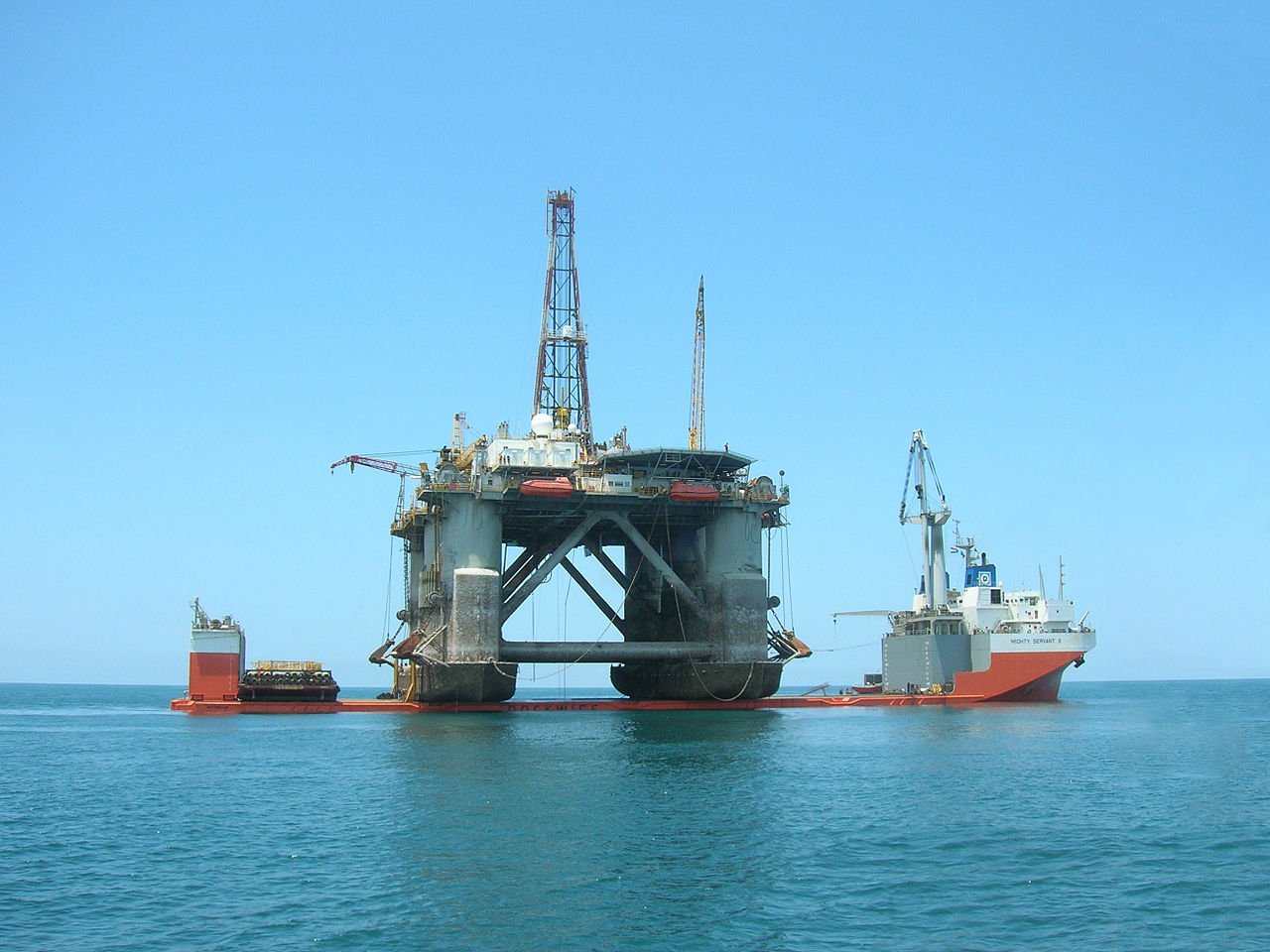
 Poseidon consultants